

From enthusiastic dog owners to dedicated cat lovers, pet enthusiasts constantly strive to provide the highest level of care for their furry friends. While a large part of this responsibility lies in feeding, exercise, and affection, regular veterinary services play a crucial role in maintaining the overall health and well-being of our beloved companions. Today, we will explore the importance of veterinary services and how they contribute to a pet’s quality of life.
The Role of Veterinary Services
Veterinary services encompass a broad range of healthcare options for animals, including preventive care, diagnostics, treatment, and surgeries. Just like humans, pets are susceptible to a multitude of ailments and require specialized care to stay healthy and happy. Veterinary professionals, commonly known as vets, possess the knowledge and expertise to diagnose and treat a wide range of medical conditions in animals.
Preventive Care: The Foundation of Pet Wellness
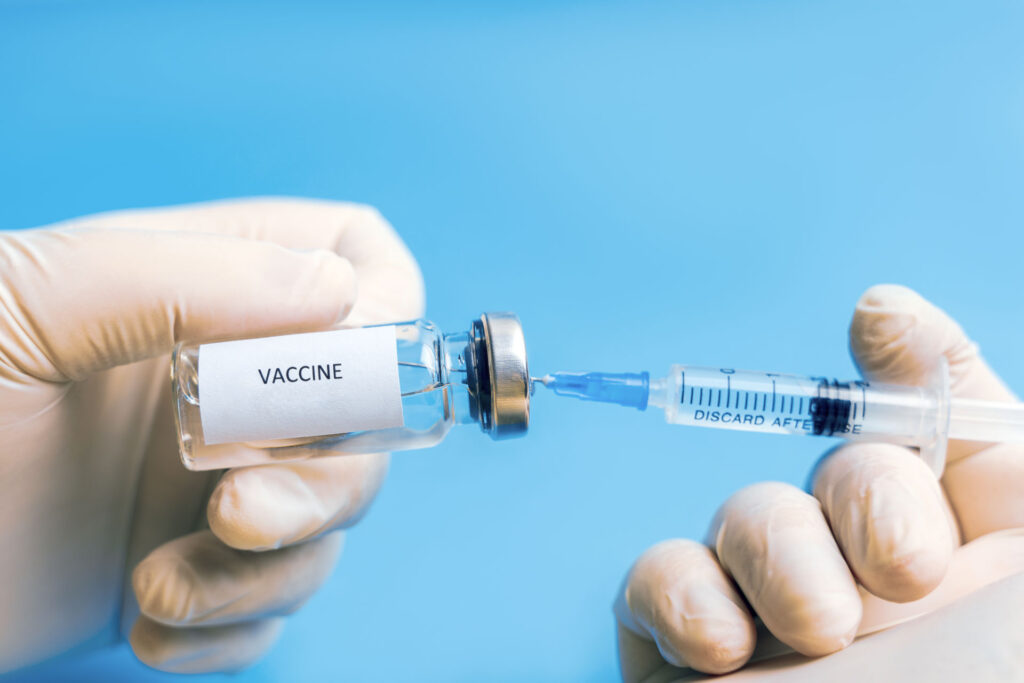
Preventive care is the cornerstone of any effective veterinary service. Regular check-ups and vaccinations ensure that pets remain protected from common diseases and parasites. During these routine visits, vets conduct thorough physical examinations to identify any potential health issues that may require immediate attention.
Moreover, veterinary services also encompass dental care. Just like humans, pets need regular dental check-ups and cleanings to maintain good oral hygiene. Untreated dental problems can lead to more severe health complications, such as heart and kidney diseases.
Diagnostics: Unveiling the Hidden
Sometimes, pets exhibit subtle signs of illness that may go unnoticed by their owners. This is where diagnostics come into play. Vets utilize a variety of tools and techniques to diagnose ailments and determine appropriate treatments. From blood tests and X-rays to ultrasound and MRI scans, modern veterinary technology enables accurate and timely diagnoses.
In addition, many veterinary clinics offer specialized diagnostic services, such as digital radiography and endoscopy. These advanced techniques allow vets to assess internal organs, examine the gastrointestinal tract, and detect abnormalities that may not be visible externally.
Treatment and Surgeries: Expert Care for Our Furry Friends
When an illness or injury strikes, veterinary services provide the necessary treatments to alleviate suffering and restore a pet’s health. Vets may prescribe medications, administer injections, or perform minor procedures to treat various conditions. In more severe cases, surgery might be necessary to correct fractures, remove tumors, or address internal issues.
Veterinary surgery has seen remarkable advancements over the years. Procedures that were once considered risky can now be performed with minimal invasiveness and reduced recovery times, thanks to laser surgery and laparoscopy techniques. These innovations have greatly improved the outcome of surgeries for our beloved pets.
Emergency Care: A Lifeline in Crisis
Accidents and emergencies can occur at any time, causing immense distress to both pets and their owners. Veterinary services provide critical emergency care, ensuring that immediate assistance is available when our pets need it the most. From trauma and poisoning to severe illnesses, emergency vets are trained to handle high-stress situations with skill and compassion.
Conclusion
The well-being of our pets depends on the quality of veterinary services they receive. Regular check-ups, preventive care, diagnostics, treatments, and emergency services collectively contribute to their overall health and happiness. By partnering with a trusted veterinary clinic and availing their comprehensive services, pet enthusiasts can ensure that their furry companions enjoy a long, vibrant, and healthy life. Remember, your vet is not just a healthcare provider—they are an essential member of your pet’s support system.